Airport Perimeter Security System
24/7 active detection,Radar-video verification,Intelligent intrusion assessment,Coordinated perimeter response
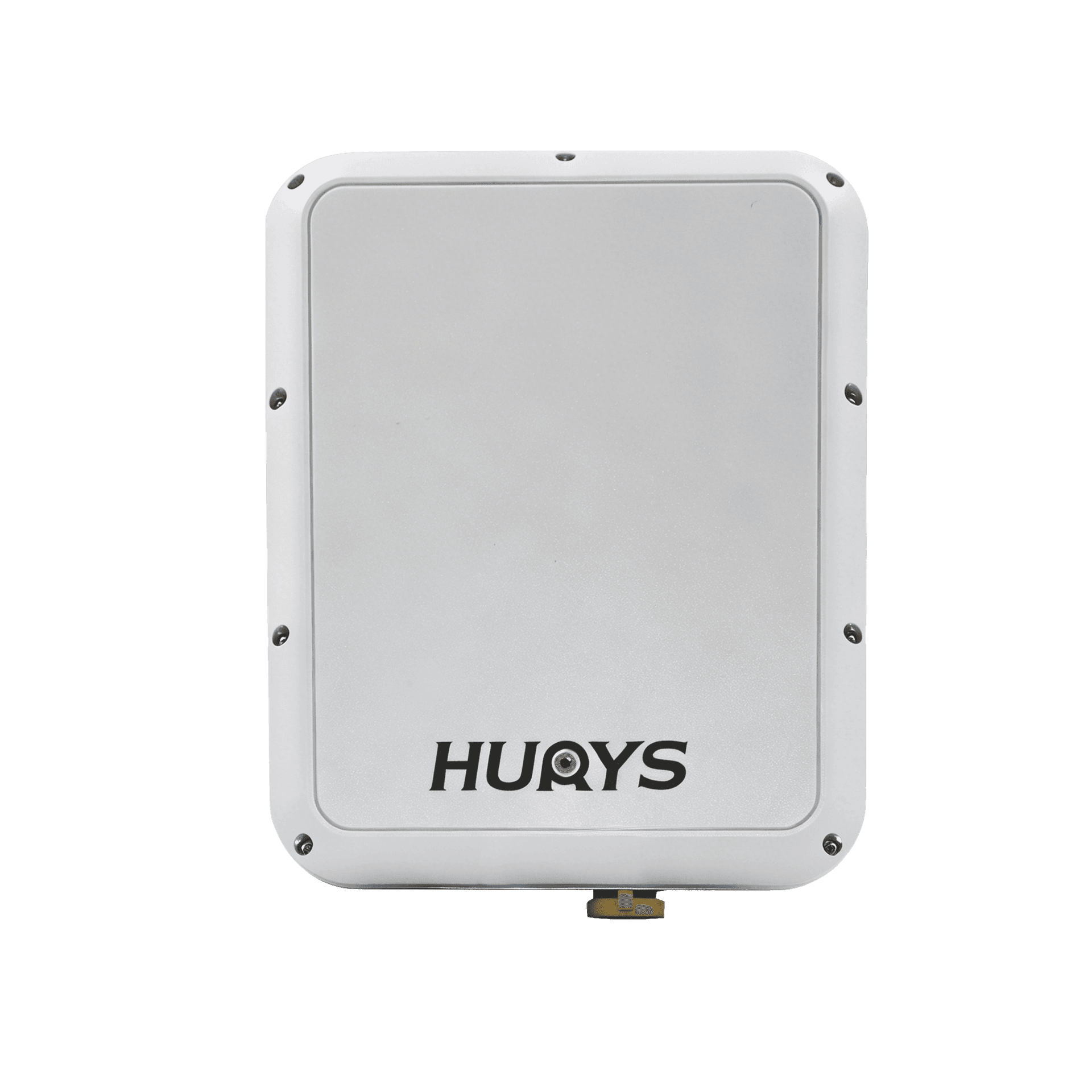
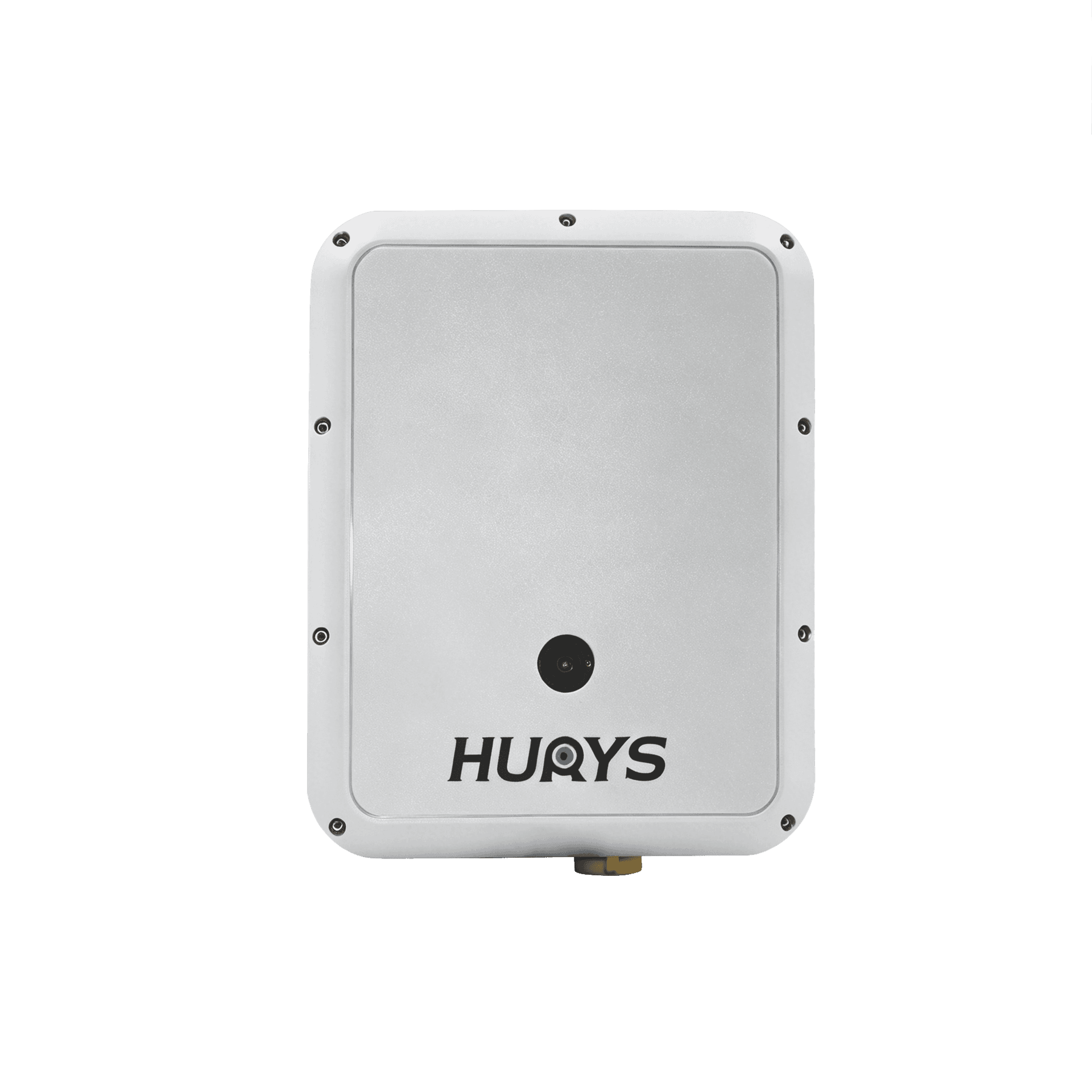
The airport perimeter is the primary boundary protecting restricted airside areas, aircraft operations, and critical ground infrastructure from unauthorized access. Long fence lines, complex terrain, darkness, adverse weather, wildlife, and environmental interference can limit patrols and video-only surveillance. The HURYS Airport Perimeter Security System combines millimeter-wave radar, radar-cued video analytics, edge computing, and a unified security platform to deliver continuous perimeter intrusion detection and assessment. It detects and tracks targets, evaluates crossings and movement within configured security zones, directs cameras for visual verification, issues graded alarms, and coordinates recording and field response—supporting a closed loop of early warning, incident handling, and post-event review.
Designed as a layered Perimeter Intrusion Detection System (PIDS), the solution adds active sensing and intelligent assessment to the physical airport boundary. Radar provides continuous target position and trajectory data in darkness and conditions that degrade video performance. Cameras and video analytics verify whether a target is a person, vehicle, animal, or other object, while edge processing applies zone rules and suppresses nuisance alarm sources. Operators receive a location, track, live video, event evidence, and response status in one operating picture instead of searching across disconnected systems.
Continuous Awareness, Proactive Perimeter Protection
A perimeter fence defines the airport boundary, but it cannot by itself determine who or what is approaching, whether a crossing has occurred, or how the target is moving after entry. Patrols and fixed cameras remain essential, yet long perimeters, blind sectors, poor visibility, and competing operational priorities can delay discovery and verification.
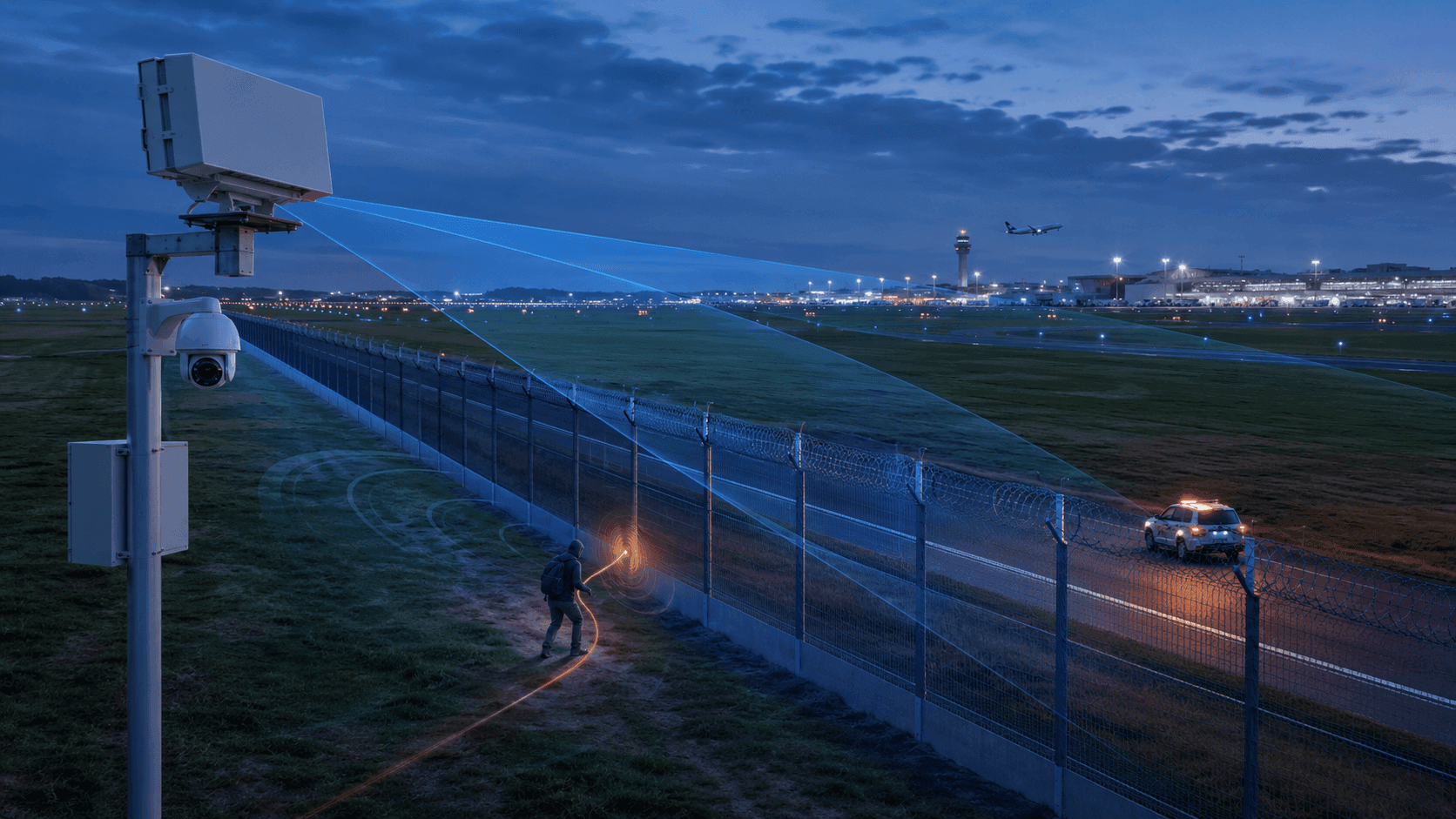
HURYS introduces a radar-video perimeter protection approach. Millimeter-wave radar continuously scans designated fence-line and stand-off zones, detects moving targets, and generates real-time tracks. When a target approaches or crosses a configured boundary, the system cues a PTZ camera and video analytics to assess the target, records the event, and presents the alarm to security operators with its precise location and movement history. Qualified events can trigger warning lights, public-address announcements, or other approved field actions.
This transforms the perimeter from a passive physical boundary into an actively sensed, continuously assessed, and operationally connected security layer.
System Architecture
The solution integrates field sensing, edge intelligence, centralized security applications, and coordinated response in one layered architecture. Field Sensing Layer — Millimeter-wave security radars are deployed along the perimeter with overlapping detection sectors configured around fence geometry, terrain, gates, buildings, and threat priorities. Radar-integrated cameras and additional HD PTZ cameras provide visible and, where specified, thermal verification. Warning beacons, speakers, and lighting can be installed at selected response points. Edge Intelligence Layer — Edge computing units process radar tracks, associate radar and video targets, evaluate intrusion and exclusion zones, and apply video analytics for target verification. Local processing reduces latency and filters environmental interference before qualified events are forwarded to the central platform. Security Platform Layer — The platform displays live tracks, perimeter segments, camera views, alarm locations, event status, and device health on a unified map. Operators can configure security zones, warning levels, schedules, target rules, and handling procedures for different sections of the airport boundary. Response and Audit Layer — Verified events can be delivered to the Security Operations Center and authorized duty terminals with location, target class, trajectory, snapshots, and live video. Subject to approved interfaces, the system can coordinate warning lights, loudspeakers, lighting, patrol dispatch, video management, or higher-level security platforms. Alarm, fault, operator, and maintenance logs remain traceable. Operational flow: active radar detection → track and zone analysis → radar-cued video verification → graded alarm → operator assessment and field response → event recording and review.
Challenges and Applications
Airport perimeter security requires continuous coverage across a long and operationally diverse boundary while keeping nuisance alarms manageable. The system must detect a developing intrusion, verify the target quickly, and deliver actionable information without disrupting normal airport operations. Operational Challenges Long and complex perimeter lines — Fence routes may pass through open ground, vegetation, service roads, buildings, drainage areas, and changing terrain that create different sensing conditions. Darkness and adverse visibility — Night, rain, fog, glare, and backlighting can reduce the effectiveness of visual-only monitoring. People, vehicles, animals, and environmental interference — Security teams need to distinguish credible intrusion events from wildlife, moving vegetation, debris, and other nuisance alarm sources. Blind sectors and disconnected sensors — Isolated cameras or fence sensors may detect an event without providing continuous target trajectory or an immediate visual assessment. Time-critical incident handling — After a boundary violation, security personnel need the target location, direction, class, and live scene information quickly enough to coordinate an appropriate response. Continuous availability and audit requirements — Large distributed systems require device-health monitoring, fault alarms, operator logs, and event records to support dependable operations and investigation. What These Challenges Require These conditions call for active all-weather detection, overlapping fence-line coverage, continuous trajectory tracking, configurable intrusion and exclusion zones, radar-cued video verification, intelligent nuisance-alarm reduction, graded alarms, low-latency field coordination, and full-lifecycle operational records. HURYS integrates these capabilities as a layered PIDS rather than a collection of isolated devices. Typical Applications Primary airside perimeter fence — Provides continuous intrusion detection and assessment along the main restricted-area boundary. Vehicle and service-gate approaches — Adds stand-off detection and movement awareness around controlled access points and adjacent fence sections. Remote and low-visibility perimeter segments — Supports monitoring where patrol frequency, illumination, terrain, or camera visibility is limited. Cargo, maintenance, and critical facility boundaries — Extends layered monitoring around high-value or operationally sensitive areas connected to the airport perimeter. Wildlife-prone perimeter zones — Uses radar tracks and video verification to help distinguish wildlife movement from human or vehicle intrusion events.
All-Weather Detection and Continuous Tracking
Millimeter-wave radar actively monitors designated approach, fence-line, and airside zones without depending on ambient lighting. It continuously measures target position, speed, direction, and trajectory, allowing operators to see how a target approaches, crosses, or moves parallel to the perimeter rather than receiving only a point alarm.
Adjacent radar sectors are configured with appropriate overlap to maintain coverage continuity around changes in fence direction and terrain. Software-defined security zones can represent warning areas, intrusion lines, restricted sectors, and exclusion areas. Edge analytics evaluate target movement against these zone rules and maintain track identity while suppressing unstable environmental returns.
The platform presents live trajectories and alarm locations on the airport map, giving security teams a continuous operational picture and a reliable data foundation for video cueing, target assessment, and response coordination.
Radar-Video Verification and Coordinated Deterrence
Radar determines where a target is and how it is moving; video analytics help determine what the target is and whether the event requires security action. When a track reaches a configured warning or intrusion condition, the system directs the associated PTZ camera to the target coordinates. Visible or thermal video, where configured, is used to verify people, vehicles, animals, and other objects while the radar continues to maintain the trajectory.
A qualified event generates a graded alarm with the perimeter segment, map location, target class, track history, snapshots, and live video. Operators can acknowledge, assign, escalate, and close the event through a standard workflow. Subject to airport procedures and approved interfaces, warning beacons, loudspeakers, lighting, and patrol resources can be activated to deter, illuminate, or intercept the target.
Radar tracks, video clips, alarm timestamps, operator actions, device status, and handling results remain linked, creating a complete record for incident review and system performance assessment.
Problems We Solve in Airport Perimeter Security
HURYS combines active radar sensing, video verification, edge assessment, coordinated response, and operational logging to address the key limitations of conventional airport perimeter protection. Gaps between patrols and fixed cameras — Continuous radar monitoring supplements periodic patrols and provides target awareness beyond a camera’s initial field of view. Point alarms without target trajectory — Real-time tracks show where the target came from, how it crossed the boundary, and where it is moving. Delayed visual verification — Radar automatically cues the appropriate PTZ camera to the target location, reducing manual camera search time. Nuisance alarms from wildlife and the environment — Radar-video assessment and configurable zone rules help operators filter non-threatening events and focus on credible intrusions. Blind sectors along complex fence lines — Overlapping sensor design and software-defined zones adapt coverage to bends, gates, terrain, and high-risk perimeter sections. Fragmented alarm and response workflows — A unified interface connects detection, verification, alarm handling, field action, closure, and review. Limited system-health and audit visibility — Device status, faults, alarms, operator activity, and maintenance records remain available for traceable operations. The result is earlier detection, faster verification, better alarm prioritization, more informed response, and stronger operational traceability across the airport security perimeter.
HURYS Makes Airport Perimeter Security Truly “Proactive”
Traditional perimeter protection often reacts after a fence alarm is triggered or an operator notices an image. HURYS moves security forward in time by detecting the approach, following the target, verifying the threat, and organizing response information before the incident escalates.
Core Value: From a passive fence to an active security layer — Radar continuously senses movement in the stand-off, fence-line, and restricted zones. From point alarms to complete trajectories — Persistent tracks show target approach, crossing, direction, and subsequent movement. From manual camera search to automatic verification — Radar cues video directly to the target coordinates for rapid visual assessment. From alarm volume to threat prioritization — Radar-video assessment and zone rules help security teams focus on qualified intrusion events. From delayed reaction to coordinated response — Verified location, target, track, video, and warning information support faster operational decisions. From isolated records to lifecycle traceability — Events, device health, operator actions, and handling outcomes remain linked for review and improvement. By connecting active detection, intelligent verification, graded alarms, coordinated response, and lifecycle records, HURYS turns airport perimeter security from passive boundary protection into continuous, proactive defense.