Railway Perimeter Security System
All-weather trackside sensing,Continuous intrusion tracking,Intelligent target assessment,Immediate local warning
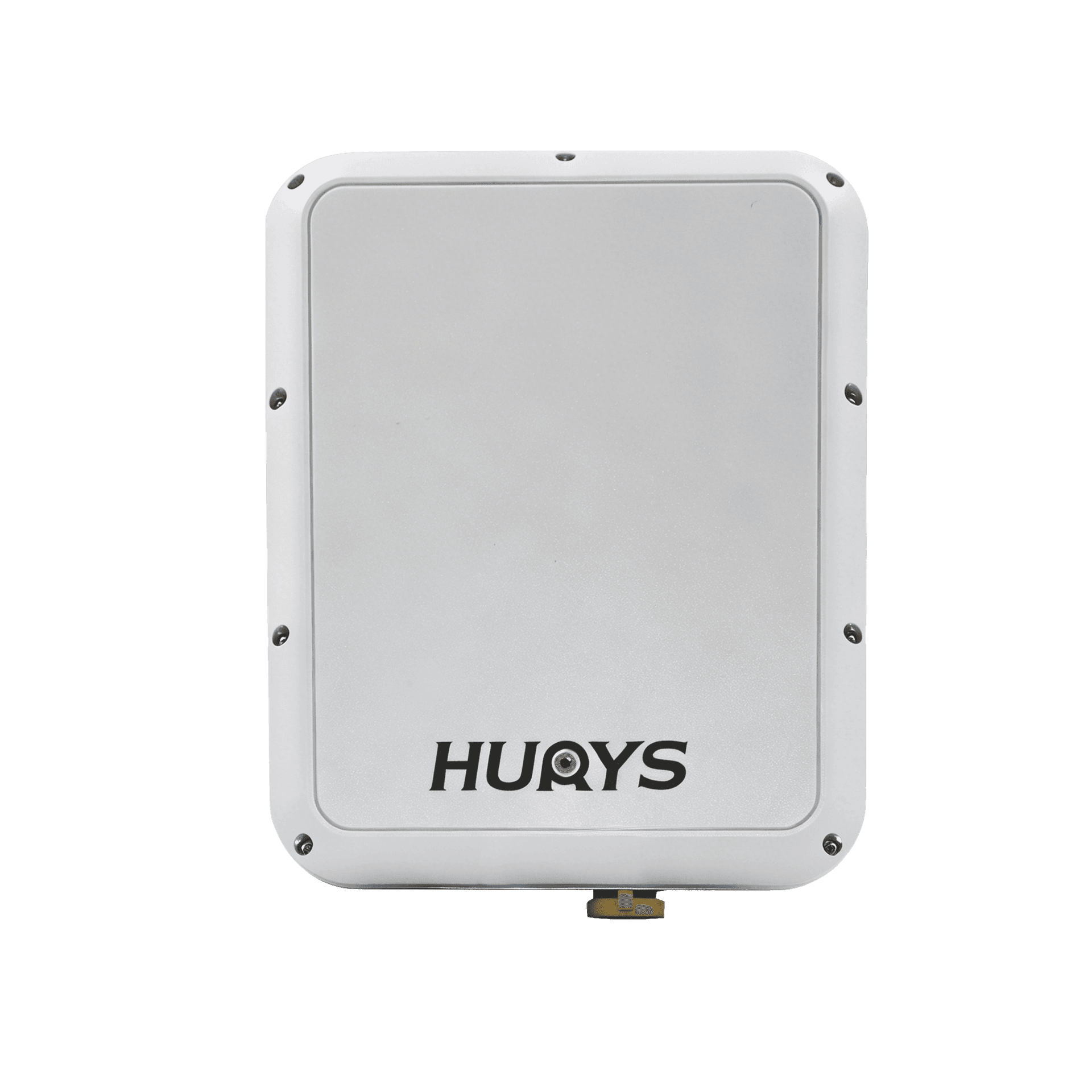
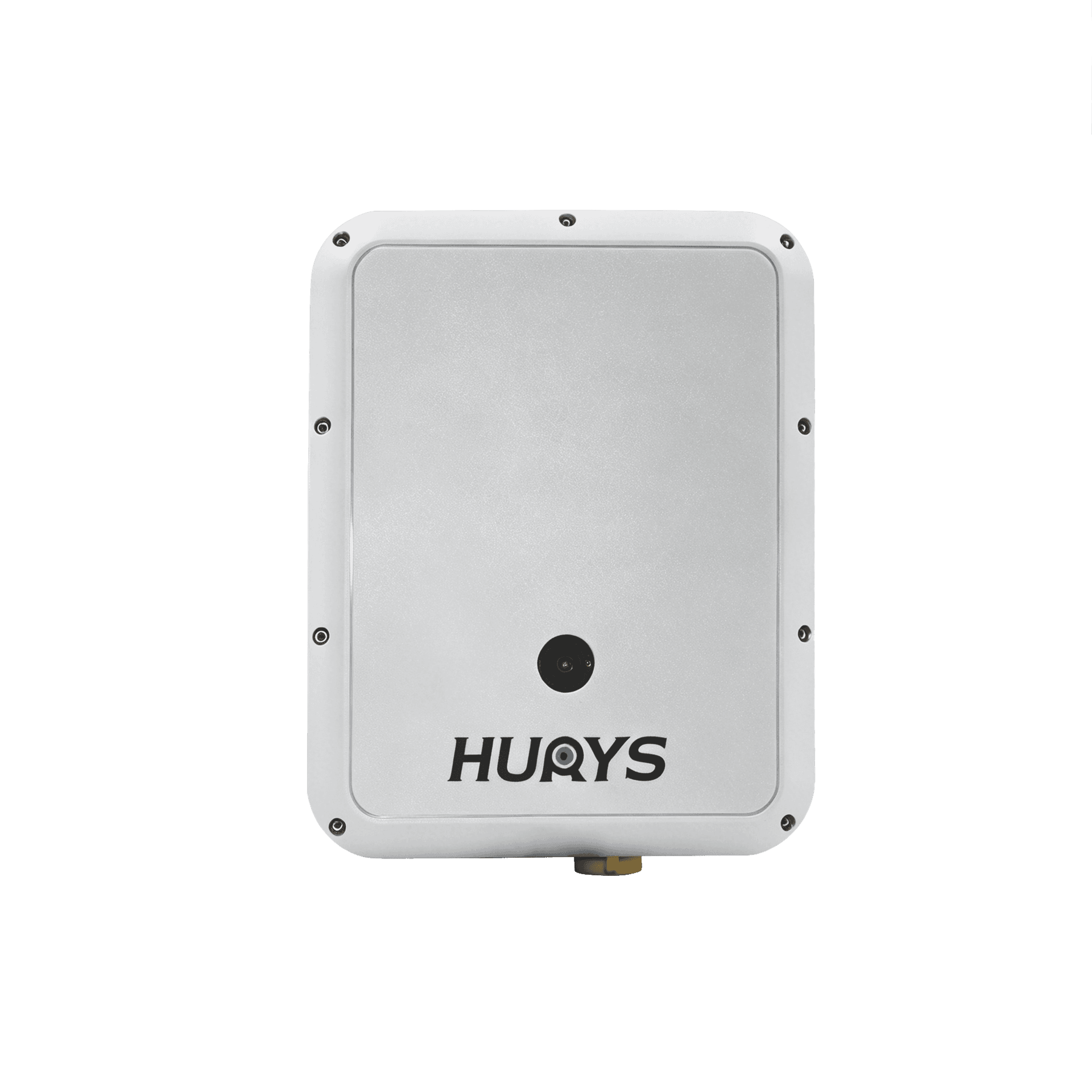
Railway lines extend across open countryside, urban interfaces, bridges, tunnels, curves, level crossings, and other environments where unauthorized access can quickly develop into a serious safety risk. Long distances, limited power and communications, darkness, adverse weather, vegetation, wildlife, and restricted patrol access make continuous protection difficult. The HURYS Railway Perimeter Security System combines low-power millimeter-wave radar, edge intelligence, optional video verification, local warning devices, and a centralized security platform to detect and track people, vehicles, and large animals entering configured railway protection zones. It evaluates target movement, differentiates normal train passage from potential intrusion activity, issues immediate on-site warnings, and delivers location, trajectory, and event evidence to authorized railway personnel—supporting early intervention and traceable incident handling.
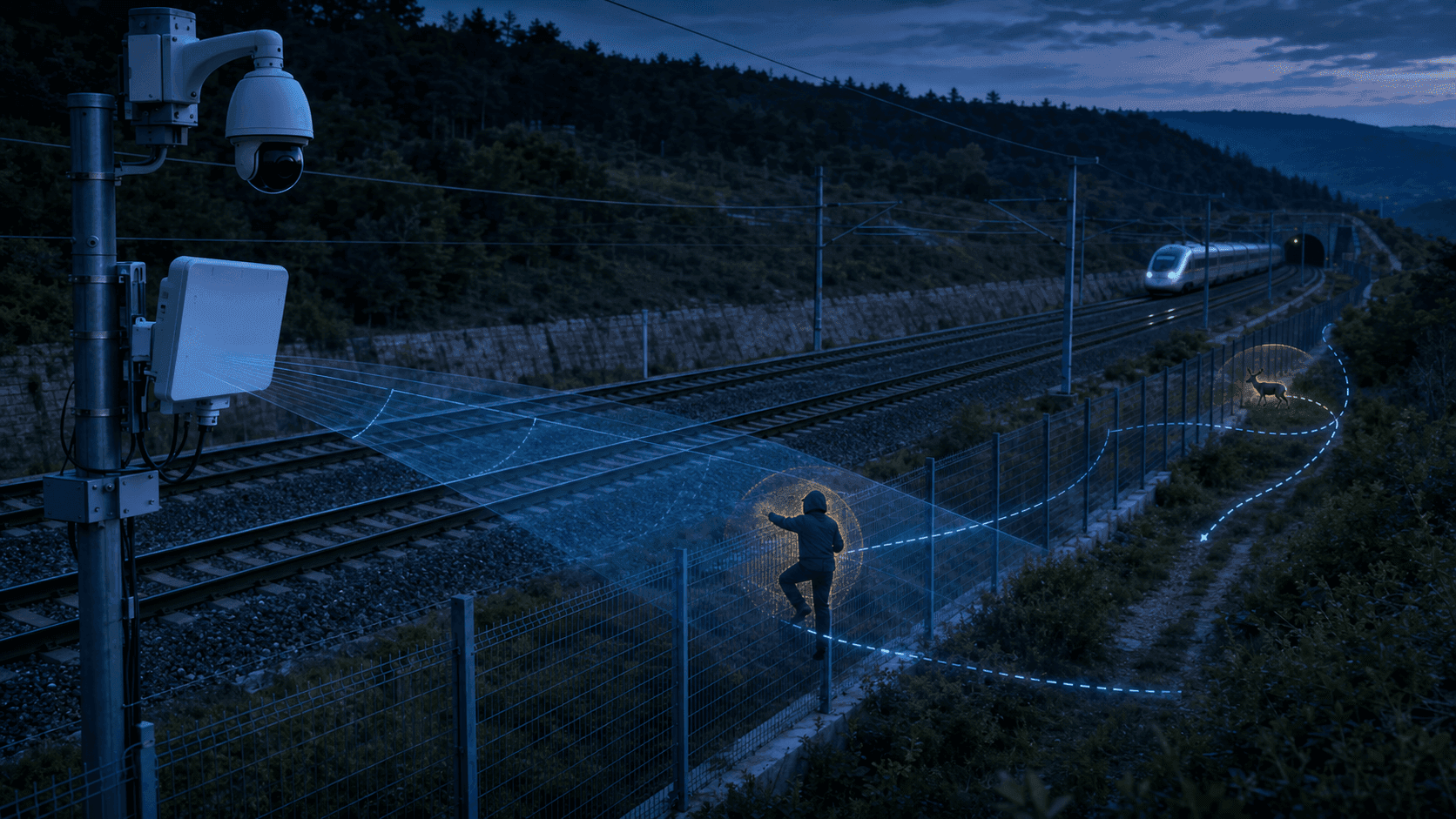
Designed for high-risk and difficult-to-patrol railway sections, the solution creates software-defined warning, intrusion, and track-clearance zones along the right-of-way. Radar provides continuous position, speed, direction, and trajectory data without depending on ambient lighting. Edge analytics apply movement and zone rules to suppress environmental interference and identify qualified events. When an intrusion is detected, the system can activate a local loudspeaker and warning beacon while simultaneously sending the exact location, live track, and available imagery to the railway security or operations center. Detection, warning, acknowledgement, response, and review are connected in one operating workflow.
Continuous Awareness, Proactive Trackside Protection
Fencing, warning signs, patrols, and fixed cameras remain essential railway protection measures, but they cannot provide continuous awareness across every remote, dark, or visually obstructed section. A fence alarm may indicate contact without showing who or what caused it; a camera may record a scene without reliably detecting an intruder outside its field of view or under poor visibility.
HURYS introduces an active radar-based approach to railway perimeter security. Millimeter-wave radar continuously monitors designated right-of-way and track-clearance zones, detects moving targets, and maintains their trajectories. Edge intelligence evaluates target speed, direction, location, and zone-crossing behavior to separate potential intrusions from normal train passage and common environmental interference. Qualified events can cue a camera for visual confirmation, activate local voice and light warnings, and notify authorized personnel with actionable location and track data.
This changes trackside protection from periodic observation and post-event discovery into continuous sensing, earlier warning, and coordinated intervention.
System Architecture
The solution integrates distributed field sensing, low-latency edge assessment, centralized security applications, and local warning resources in a layered architecture. Field Sensing Layer — Low-power imaging radars monitor configured railway protection zones and track people, vehicles, and large animals. Long-range radar can be selected for suitable open and straight sections, while cameras may be added where visual verification is required. Solar power and battery systems can support remote sites subject to project-specific energy and environmental design. Edge Intelligence Layer — A trackside edge computing unit processes target tracks, evaluates warning and intrusion zones, applies train–intruder movement rules, and filters unstable returns caused by precipitation, vegetation movement, and small non-threatening objects. Local processing supports rapid warning even where backhaul bandwidth is limited. Security Platform Layer — The railway security platform presents protected sections, device locations, live tracks, alarm levels, available video, and equipment status on a GIS-based operating view. Operators can configure zone rules, schedules, warning messages, and handling workflows for different locations and risk profiles. Warning and Response Layer — When a qualified intrusion is detected, local loudspeakers and warning beacons can issue an immediate site warning. At the same time, the event is delivered to the railway security or operations center with location, trajectory, target information, snapshots or video where available, and device status. Integration with other railway systems is implemented only through approved interfaces and operating procedures. Operational flow: continuous radar sensing → edge track and zone assessment → train–intruder discrimination → optional video verification → local warning and central alert → operator response → event recording and review.
Challenges and Applications
Railway perimeter protection must cover long, distributed assets while providing timely, trustworthy information at the sections where an intrusion can create immediate operational risk. Operational Challenges Long and geographically dispersed corridors — Railway routes extend through remote and difficult-to-access terrain, making continuous patrol coverage costly and inconsistent. Limited power and communications — Many high-risk locations do not have convenient utility power or high-bandwidth network access, requiring energy-efficient field equipment and edge processing. Darkness and adverse weather — Night, fog, rain, snow, glare, and shadows can reduce the effectiveness of video-only monitoring. People, vehicles, animals, and environmental interference — The system must identify credible trackside intrusion activity while managing nuisance alarms from vegetation, precipitation, and small objects. Normal train passage within the monitored scene — Detection logic must avoid treating the train itself as a perimeter intrusion while remaining sensitive to slower targets approaching or occupying protected zones. Time-critical warning and response — Once a person, vehicle, or animal enters the track-clearance area, both the intruder and railway personnel need actionable information without delay. Distributed maintenance and auditability — A large trackside deployment requires remote device-health visibility, fault reporting, event records, and operator logs. What These Challenges Require These conditions call for all-weather active sensing, low-power field deployment, continuous trajectory tracking, configurable right-of-way and track-clearance zones, edge-based event assessment, train–intruder discrimination, intelligent nuisance-alarm reduction, immediate local warning, centralized event visualization, and full-lifecycle records. HURYS integrates these capabilities as one railway perimeter security workflow. Typical Applications Bridges and tunnel portals — Monitors access points and constrained sections where unauthorized entry can be difficult to observe and rapidly becomes safety-critical. Curves and restricted-sight-distance sections — Adds active target awareness where terrain or alignment limits visual observation. Level-crossing and station approaches — Extends monitoring around interfaces where pedestrians, road vehicles, and railway operations converge. Known trespassing hotspots — Creates configurable warning and intrusion zones at locations with repeated unauthorized access. Remote and unpowered railway sections — Supports low-power sensing, local edge assessment, and project-designed solar or battery operation. Construction and maintenance boundaries — Helps monitor movement into designated restricted areas during approved work windows and temporary protection arrangements.
All-Weather Intrusion Detection and Continuous Tracking
Millimeter-wave radar actively monitors railway right-of-way, fence-line, and track-clearance zones without depending on ambient lighting. It continuously measures target position, speed, direction, and trajectory, allowing the system to see how a person, vehicle, or large animal approaches, enters, remains within, or leaves a protected area rather than generating only a momentary point alarm.
Software-defined zones can represent an early-warning area, a perimeter boundary, a restricted corridor, or an immediate track-clearance area. Edge analytics evaluate the target trajectory against these rules and apply persistence, speed, direction, and target-characteristic criteria to qualify the event. Sensor placement and overlap are engineered for the terrain, alignment, structures, mounting conditions, target set, and required coverage continuity of each site.
The platform displays live trajectories and precise alarm locations on the railway map, providing a reliable data foundation for visual verification, local warning, operator assessment, and response coordination in darkness and conditions that degrade conventional imaging.
Intelligent Verification and Immediate On-Site Warning
A railway security event is defined not only by the presence of a moving object, but by what the target is doing in relation to the protected corridor. Edge intelligence uses target speed, direction, trajectory, and zone occupancy to distinguish normal train movement from slower people, vehicles, or animals approaching or occupying a restricted area. Where cameras are deployed, radar can direct the associated camera to the target location for rapid visual confirmation.
When an event reaches a configured warning or intrusion level, a local loudspeaker can broadcast a predefined safety message and a warning beacon can activate immediately, without waiting for a patrol to reach the site. Simultaneously, the central platform receives the protected section, map location, target track, alarm level, and available snapshots or video. Authorized personnel can acknowledge, assess, escalate, dispatch, and close the event through a traceable workflow.
This combination of intelligent event qualification, immediate on-site warning, and centralized operational awareness helps shorten the interval between intrusion detection and protective action while preserving the human and procedural controls required in a railway environment.
Problems We Solve in Railway Perimeter Security
HURYS combines active radar sensing, edge assessment, optional video verification, immediate local warning, centralized management, and event logging to address the principal gaps in conventional railway perimeter protection. Protection gaps between patrols and cameras — Continuous radar monitoring supplements periodic patrols and provides target awareness beyond a fixed camera’s effective scene. Intrusions detected too late — Stand-off and warning zones identify a target before or as it enters the most critical track-clearance area. Point alarms without movement context — Persistent tracks show target approach, zone crossing, direction, speed, and continued movement. Train passage mixed with intrusion alarms — Edge rules use movement and zone behavior to distinguish normal train transit from potential intrusion activity. Nuisance alarms from the trackside environment — Multi-criteria assessment helps filter unstable returns caused by weather, vegetation movement, and small non-threatening objects. Delayed warning at remote locations — Local loudspeakers and beacons can respond immediately to qualified events while the central alert is transmitted. Dependence on continuous utility infrastructure — Low-power field devices and project-designed solar or battery options support deployment at suitable remote sections. Fragmented alarm, response, and audit records — The platform connects target tracks, alarms, available imagery, operator actions, device status, and handling outcomes. The result is earlier detection, faster event qualification, more immediate site warning, better-informed response, and stronger operational traceability across high-risk railway sections.
HURYS Makes Railway Perimeter Security Truly “Proactive”
Traditional trackside protection often discovers a risk after a boundary has been crossed or a patrol receives a report. HURYS moves protection forward in time by detecting the approach, following the target, evaluating the event, warning the intruder, and organizing response information before the situation escalates.
Core Value: From periodic patrols to continuous awareness — Distributed radar sensing maintains target visibility across designated high-risk sections. From a boundary alarm to a complete trajectory — Live tracks show where the target came from, how it entered, and where it is moving. From raw detections to qualified events — Edge intelligence evaluates speed, direction, persistence, target characteristics, and zone behavior. From delayed intervention to immediate local warning — Predefined voice messages and warning beacons can address qualified intrusions at the site. From isolated field devices to coordinated operations — Location, track, alarm level, available imagery, and device status are presented in one operating picture. From scattered records to lifecycle traceability — Detection, acknowledgement, response, closure, faults, and maintenance events remain available for review. By connecting continuous sensing, intelligent event qualification, immediate local warning, centralized response, and lifecycle records, HURYS turns railway perimeter security from passive boundary monitoring into continuous, proactive risk prevention.